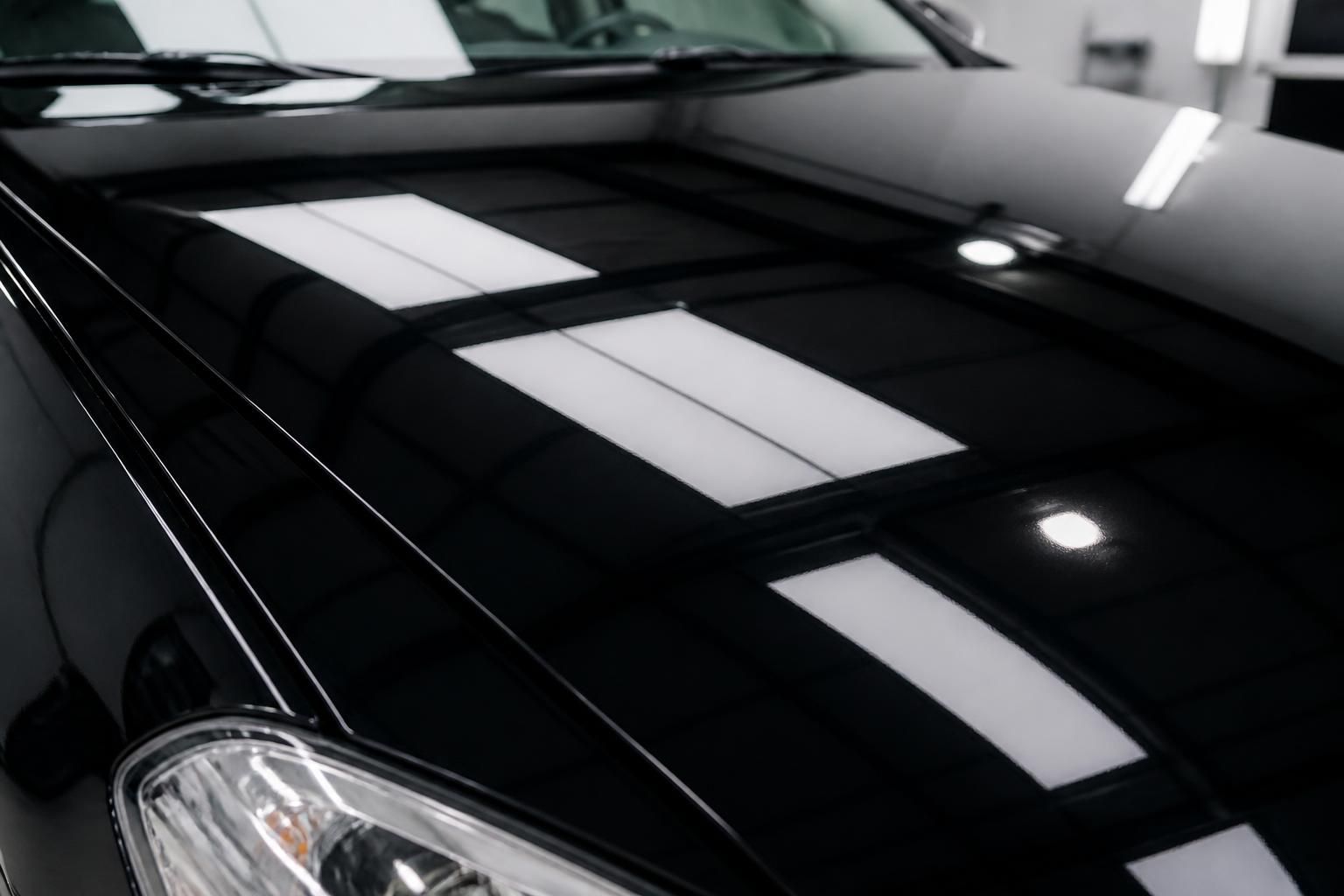
Automotive Paint Restoration in White Oak
Bring back gloss and depth to dull, swirled, or sun-faded paint with restoration from our White Oak shop.
Bring back gloss and depth to dull, swirled, or sun-faded paint with restoration from our White Oak shop.
Automotive paint restoration from 2 Lane Customs in White Oak, Texas covers the work of bringing dull, hazy, swirled, or sun-worn paint back to a clean, deep shine. It is for owners of daily drivers, trucks, and weekend cars whose finish no longer looks the way it did. To get started, call or send a request with a few details and photos of the paint.
Maybe your hood has gone chalky, or the roof looks cloudy once the sun hits it. Maybe a wash leaves fine circular scratches that show up in every parking lot. Those are paint problems, and most of them can be improved without repainting the vehicle. This page explains what restoration involves, where it stops, and what to ask before you hand over your keys.
Paint rarely fails all at once. It fades gradually, and most owners only notice when the vehicle sits beside a newer one. Common signs include:
If you see several of these, restoration is usually the right conversation to have.
Most vehicles around White Oak and Longview deal with long, hot summers, strong sun, humidity, and plenty of pollen in spring. Add pine sap, bugs, and dust from country roads, and paint takes a beating. Vehicles parked outside all day typically show wear sooner on the roof and hood than on the sides. Clear coat is the top layer that carries the gloss, and once it starts to oxidize, the color underneath looks tired no matter how often you wash it.
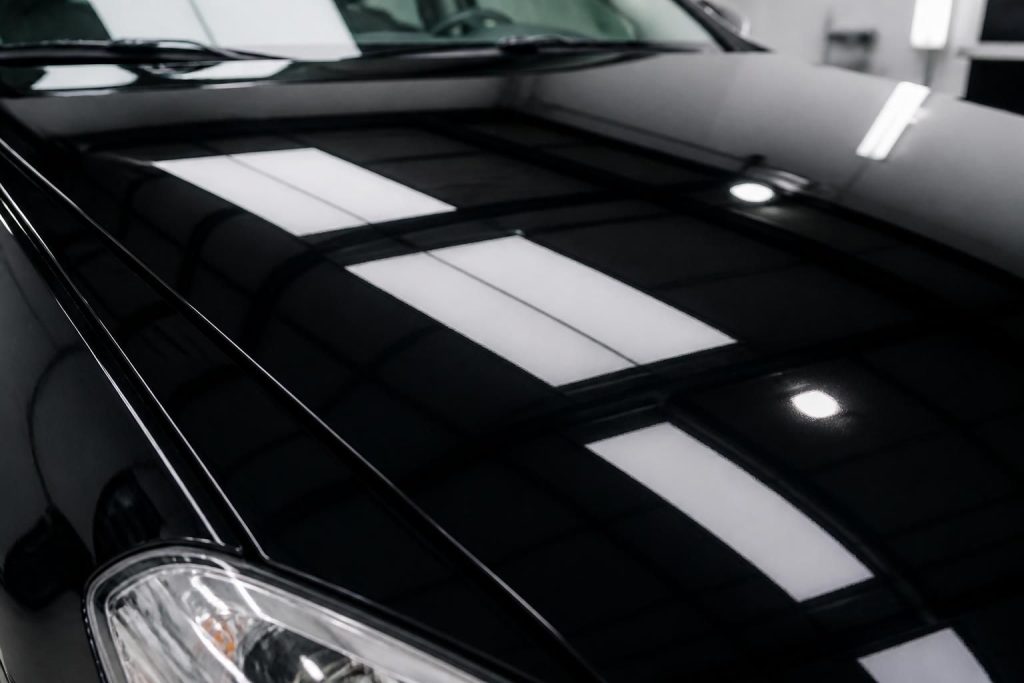
Paint restoration is about the surface of your existing finish. The goal is to remove the damaged top film and defects so the clear coat reflects light evenly again.
Most swirl marks come from washing and drying with dirty mitts, towels, or automatic brushes. These shallow marks sit in the clear coat and can often be leveled out with machine polishing. A scratch you can catch with a fingernail may be too deep to remove fully, and an honest provider will tell you that up front.
Sun-faded paint looks dry and cloudy because the surface has broken down. Correction removes that weathered layer and exposes fresher paint beneath. If the clear coat has peeled or cracked through, polishing cannot fix it. That falls into a different category of repair.
These three jobs get mixed up all the time, so here is where each one stops.
Restoration is also a smart first step before a wrap or other finishing work, since a clean, smooth surface gives better results.
Every vehicle is different, but a paint restoration normally follows a sequence like this:
If you want long-term protection afterward, ask about ceramic coating as the next step.
Whoever you hire, here are practical standards for judging the work:
Restoration pricing depends on the vehicle and the condition of the paint, so a fair quote starts with a look at it. The main factors are:
A clear written quote should spell out which panels are included, how many stages of correction are planned, what extras are or are not covered, and how changes are handled if the paint turns out worse than expected.
Before booking paint restoration anywhere near White Oak, ask:
Clear answers tell you a lot about how the work will go.
It depends on vehicle size and paint condition. Light cleanup can be quicker, while heavy oxidation or multi-stage correction can take longer. We can give a better idea after seeing the vehicle.
Not always. Swirls and light scratches usually improve a lot. Deeper scratches that cut through the clear coat may be reduced but not erased.
There is no fixed schedule. Restoration is done when the finish shows wear, and gentle washing plus protection can stretch the time between corrections.
It is based on vehicle size, paint condition, the number of correction steps, color, and any extras. A written quote should list each of those.
Many owners do, because corrected paint is the best surface to protect. It is a separate service, so you can decide based on how you use and store the vehicle.
No. Polishing works on paint that is still intact. Peeling or flaking clear coat is a repaint question, and we are happy to talk through your options.
If your paint has lost its shine and you are in White Oak, Texas, or nearby, call or send a request to 2 Lane Customs with a few photos. We will look at what the finish needs and explain what restoration can realistically do for it.
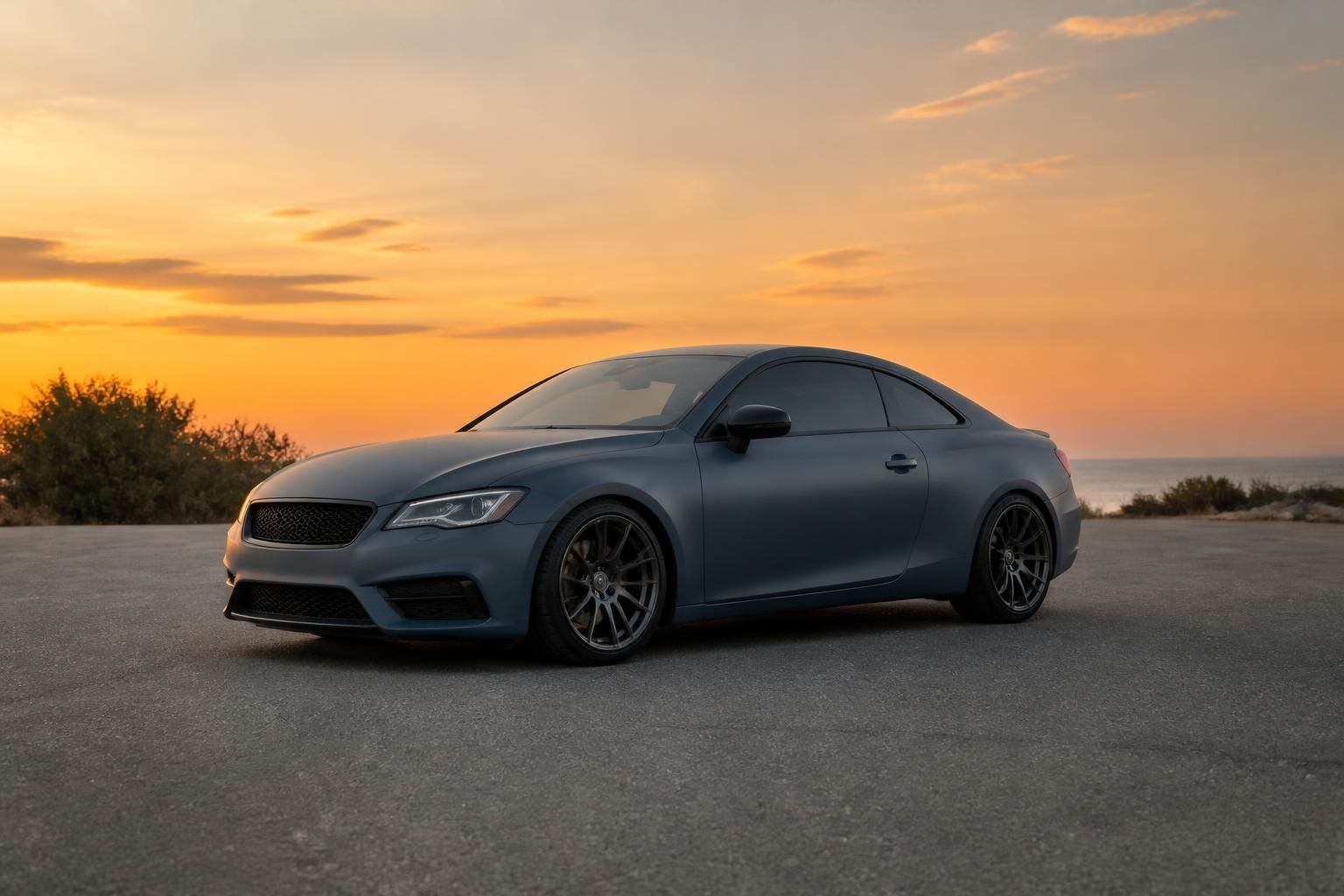
Start Your Project
Tell us about your vehicle and what you have in mind. We will help you choose the right wrap, tint, paint restoration, or coating and plan the next step.