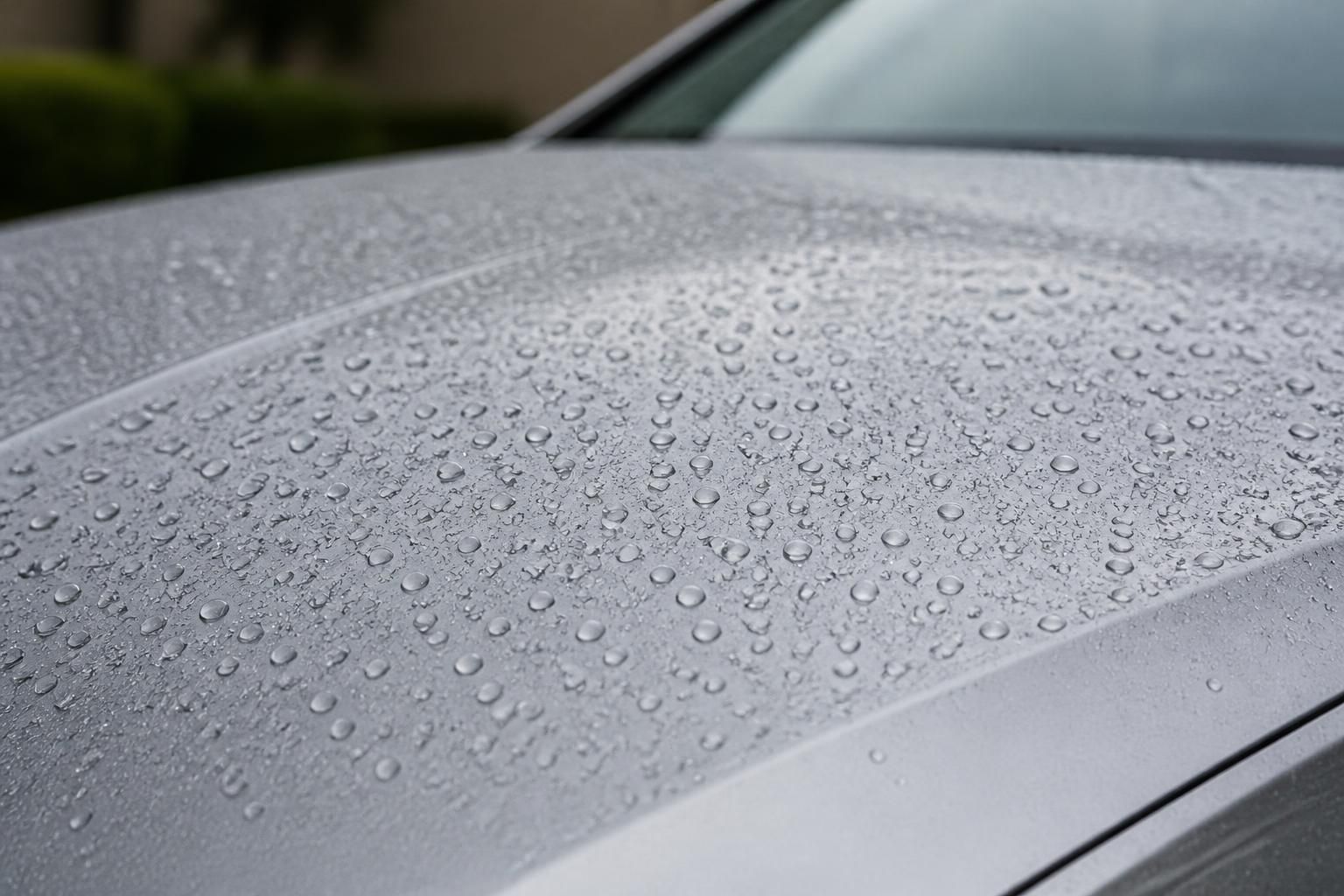
Professional Ceramic Coating in White Oak
Protect your paint from East Texas sun, pollen, and road grime with a durable ceramic coating.
Protect your paint from East Texas sun, pollen, and road grime with a durable ceramic coating.
If your paint looks dull a few months after a wash, or water and dirt cling to it, professional ceramic coating from 2 Lane Customs in White Oak, Texas is built for that problem. It suits truck, car, SUV, and motorcycle owners who want a slick, glossy surface that is easier to keep clean. To get started, call or send a request with your vehicle details and what bothers you about the paint.
Maybe your daily driver sits outside all week and the clear coat looks hazy. Maybe a new truck still looks perfect and you want to keep it that way. Wax wears off after a few washes, bird droppings leave marks, and pine pollen sticks to everything. A ceramic coating gives the paint a harder, smoother layer to take that wear instead of the clear coat. Here is what the service involves and how to judge it.
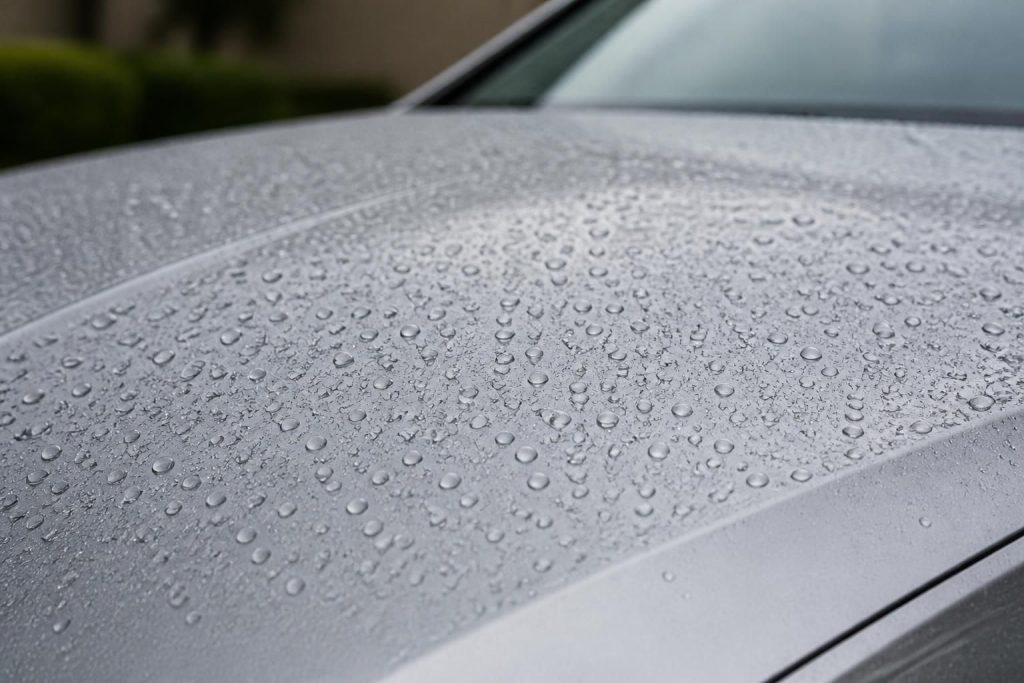
A ceramic coating is a liquid layer applied to clean, prepared paint. It cures into a thin, hard surface that bonds to the finish. Most owners notice three things: deeper gloss, water that beads and sheets off, and dirt that rinses away more easily.
It is not armor. A coating will not stop rock chips, deep scratches, or dings, and it does not mean you never wash the vehicle again. Think of it as a tougher, slicker top layer that makes everyday contamination less likely to bite into the paint.
Many owners call after noticing one of these:
If the paint already has swirls, oxidation, or faded patches, say so when you reach out. Prep matters more on that kind of finish, and it affects what the job looks like.
These two services get mixed up often. Paint restoration fixes the surface: it addresses dullness, swirl marks, and light defects. Ceramic coating protects the surface once it is in good shape. A coating locks in whatever is under it, so a flawed finish stays flawed, only glossier.
This page covers ceramic coating. Automotive paint restoration is its own service, and we often talk through both when a vehicle needs correction before protection. Tell us what you see and we will help you sort out which step comes first.
Every shop has its own routine, but quality coating work generally follows the same order. Rushing the early steps is where most poor results start.
A garage-kept car with fresh paint needs far less prep than a truck that has spent years parked outside. Expect the prep stage to take most of the effort, and expect the conversation to start with the current state of your paint.
Tanks, fairings, and fenders are curved and detailed, and every surface needs to be reached. If you ride, mention which parts of the bike you want coated when you ask about the work.
Around White Oak and Longview, vehicles typically deal with long, hot summers, strong sun, humidity, spring pollen, and plenty of bugs on highway drives. Pine and tree sap on parked vehicles is common, and sudden storms leave water spots when the paint dries in the sun.
Those conditions are hard on clear coat over time, which is why many owners here prefer a coating over repeated waxing. A coated surface makes pollen, sap, and spots easier to wash off before they set.
Use these standards to judge any ceramic coating provider, including us:
Ceramic coating is priced by the work involved, not just the product. These factors move the quote:
A clear written quote should spell out the scope, which surfaces are covered, whether paint correction is included or separate, what extras are optional, and how changes are handled if the paint turns out to need more work than expected. If a quote is only a single number with no description, ask for details.
Before you hire anyone for ceramic coating around White Oak, ask:
It depends on the size of the vehicle and how much prep the paint needs. Prep and curing usually take longer than the coating itself, so plan on the vehicle being away for more than a quick visit. We can give you a clearer idea once we know your vehicle and its condition.
The quote reflects vehicle size, paint condition, how much correction is needed, which surfaces are included, and the coating selected. Once we know those details, you get a written scope so you can see what the price covers.
Often, yes, if the paint has swirls, haze, or oxidation, because the coating seals in what is underneath. Newer, well-kept paint may need less. Paint restoration is a separate service we can discuss alongside coating.
No. It adds a harder, slicker surface that resists some everyday wear and contamination, but it does not make paint impact-proof. Chips and deep scratches can still happen.
Most owners use gentle hand washing with clean mitts and a pH-friendly soap, and avoid harsh brushes. Ask for specific care instructions at pickup, because curing time and product details affect the first wash.
Yes, in many cases. Older paint just needs a closer look first, since faded or damaged clear coat changes the prep. Send a request with photos and a short description, and we will tell you what to expect.
Whether you drive a daily truck or ride on weekends, a short conversation about your paint is the best first step. Call or send a request to 2 Lane Customs with your vehicle, current paint condition, and what you want protected, and we will walk you through the next steps.
Start Your Project
Tell us about your vehicle and what you have in mind. We will help you choose the right wrap, tint, paint restoration, or coating and plan the next step.