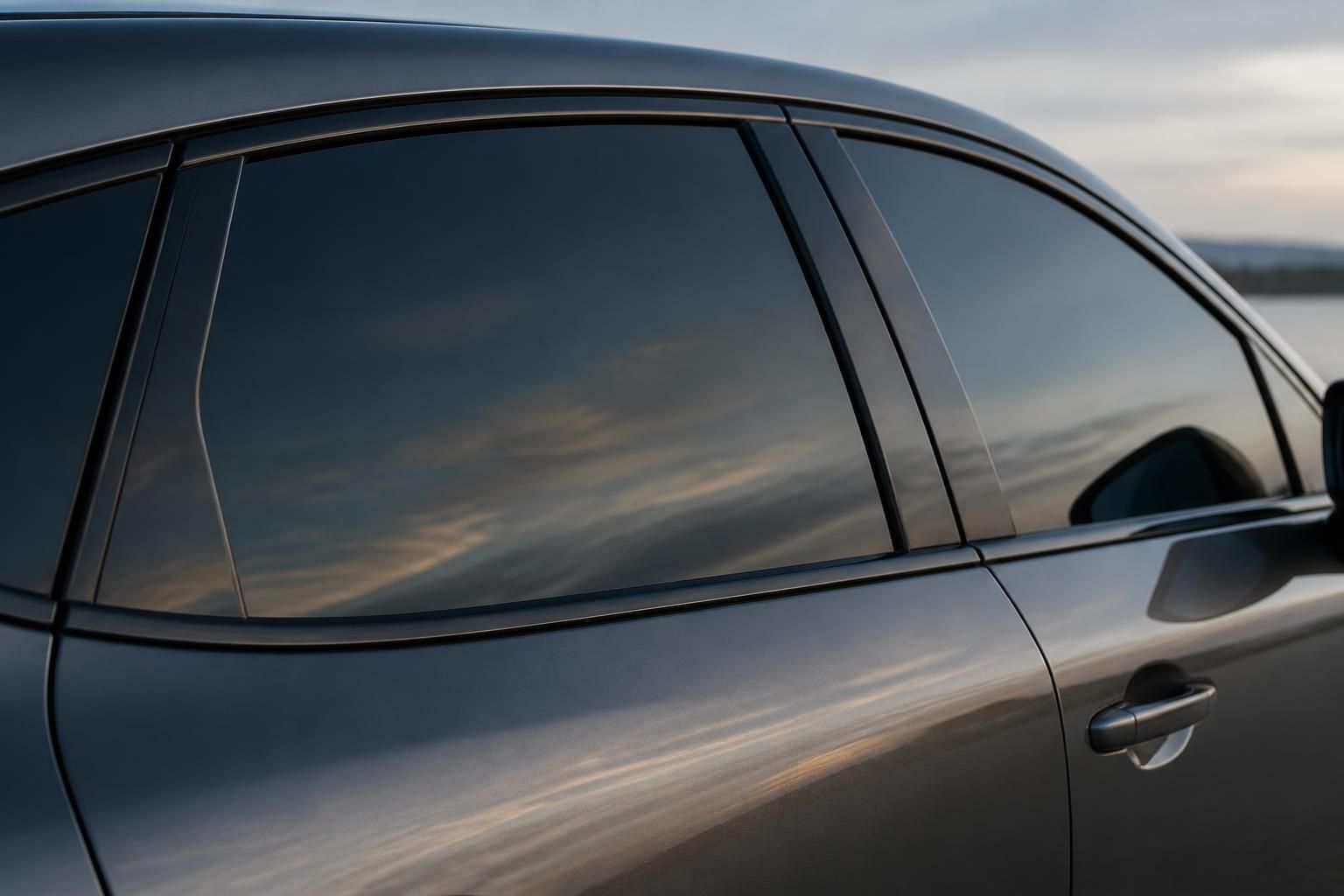
Window Tinting in White Oak
Cut heat and glare inside your vehicle with clean, professional window tint installed near Longview and in White Oak.
Cut heat and glare inside your vehicle with clean, professional window tint installed near Longview and in White Oak.
2 Lane Customs installs window tinting for cars, trucks, and SUVs in White Oak, Texas, for drivers who are tired of a hot cabin, harsh glare, and a vehicle that anyone can see into. To get started, call or send a request with your vehicle year, make, and model and tell us which windows you want done.
If your seats burn your legs by noon, your dash is fading, or you squint through every afternoon drive, the glass is letting in more than you want. East Texas summers are long and sunny, and a parked vehicle can heat up fast. Tint will not change the weather, but it can make a noticeable difference in how the cabin feels when you climb back in.
Most drivers around White Oak and Longview come to tint for the same few reasons. Summer sun, long commutes on open highway, and parking lots with little shade all add up. Tint is one of the simpler upgrades that tackles several of those problems at once.
Window tinting usually means applying a thin film to the inside of the glass. Customers typically ask about a few common setups:
If you are not sure which fits your vehicle and your budget, describe how you drive and park, and we can talk through the options with you.
People often mix up window tint with ceramic coating, partly because film itself can be described as ceramic. They are different jobs. Tint is a film applied to glass to control heat, light, and visibility. Professional ceramic coating is a protective layer applied to painted surfaces to help them hold their shine and resist everyday contamination.
This page covers window tinting. We also offer ceramic coating, automotive paint restoration, vehicle wraps, custom vehicle wraps, fleet vehicle wraps, and motorcycle wraps as separate services. If you want tint along with one of those, mention it when you reach out and we can discuss how the work fits together.
Every shop has its own routine, but a tint job generally follows the same path.
You tell us the vehicle and the windows you want covered. Ask about film options and shade levels at this stage. Also mention any existing tint, peeling film, or aftermarket glass, since old film may need to come off before new film goes on.
Glass is cleaned, film is cut to fit, applied, and smoothed out. Afterward, the film needs time to cure. During that period, it is common to see small water pockets or a slight haze that fades as the film dries. Most installers advise keeping the windows up for a few days. Follow the aftercare advice you are given, because rushing it is a common cause of lifting edges.
You do not need to be a pro to judge a tint job. Use these standards with any provider:
Tint pricing varies because no two vehicles or requests are the same. These are the main factors:
A clear written quote should spell out which windows are included, the film type and shade, whether removal is part of the price, and how changes will be handled if the scope shifts once the work begins.
Before you hand your keys to any tint provider in the White Oak and Longview area, ask:
Tell us what you drive, which windows you want tinted, and whether any old film is in the way. Photos of the glass can help, especially if there is peeling or bubbling. Call or send a request, and we will talk through your options for tinting in White Oak, Texas.
It depends on the vehicle and how many windows are involved. A couple of front windows go faster than a full vehicle, and removing old tint adds time. Ask for an estimate when you request your quote.
Most installers recommend waiting a few days so the film can cure and bond to the glass. Follow the specific aftercare instructions you are given for your film.
Tint typically reduces glare and the heat that comes through the glass, so the cabin often feels more comfortable. Results vary with film type, shade, and how much sun your vehicle sees, and it will not replace your air conditioning.
Yes, in most cases. Old film is usually removed along with its adhesive before new film is applied. Mention the condition of your current tint when you ask for a quote so removal is accounted for.
Pricing is worked out from the number of windows, glass shape, film type and shade, and whether old tint must be removed. Any extras also play a part. A written quote should list each of these so you know what you are paying for.
Wait until the film has cured before cleaning the inside of the glass. After that, use a soft cloth and a cleaner that is safe for tinted windows. Avoid abrasive pads and harsh chemicals that can scratch or damage the film.
Start Your Project
Tell us about your vehicle and what you have in mind. We will help you choose the right wrap, tint, paint restoration, or coating and plan the next step.