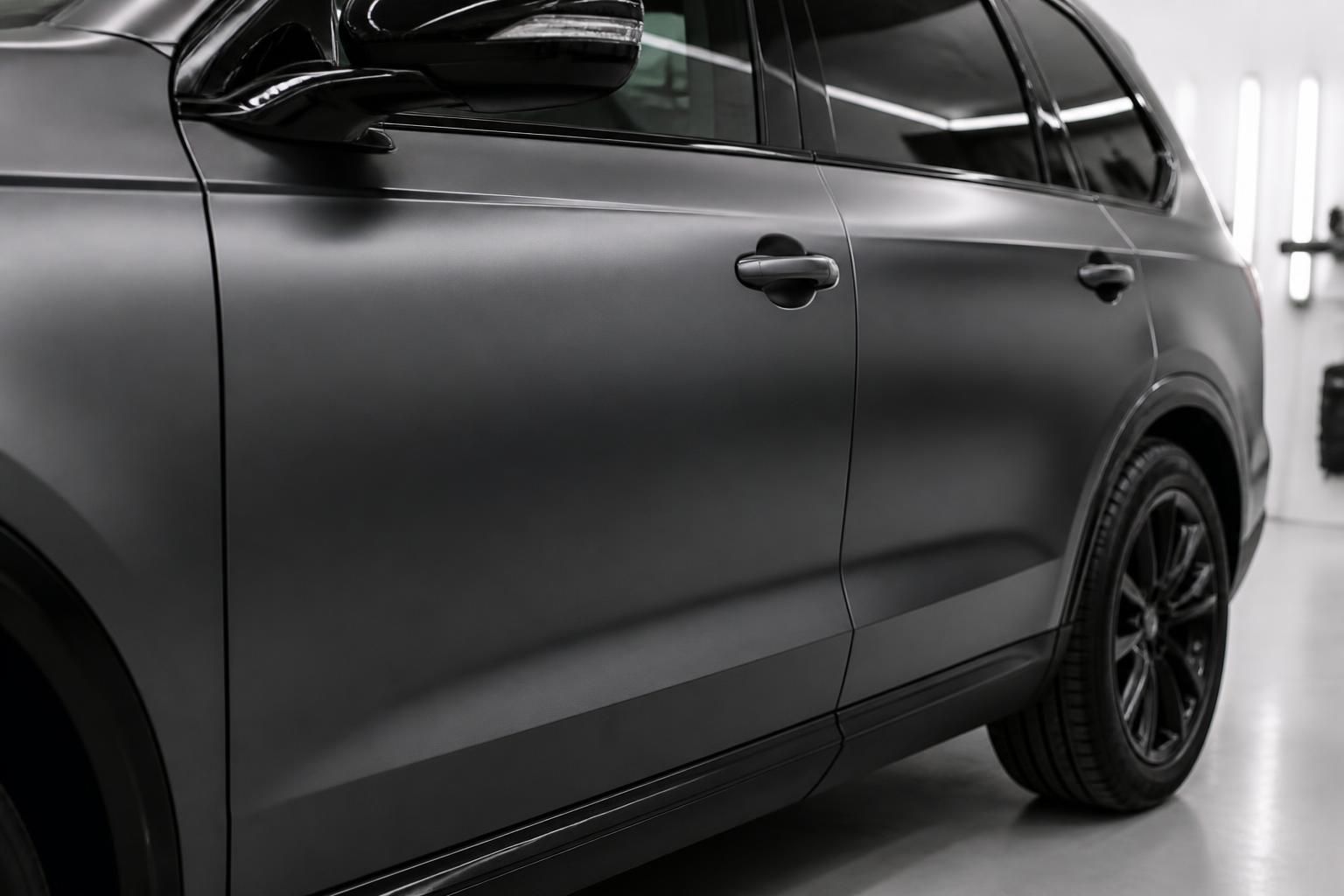
Vehicle Wraps in White Oak
Vehicle wraps for cars, trucks, and SUVs from a White Oak, Texas shop, planned around your goals.
Vehicle wraps for cars, trucks, and SUVs from a White Oak, Texas shop, planned around your goals.
2 Lane Customs handles vehicle wraps for White Oak, Texas drivers who want a new color, a finish upgrade, or a bold look without repainting. That covers full wraps, partial wraps, and accent wraps for cars, trucks, SUVs, and vans. To get started, call or send a request with your vehicle and what you want it to look like.
Maybe your paint is dull from years of East Texas sun, or you are tired of a color you picked a long time ago. Maybe you want your truck to stand out at the next meet, or you want a clean, consistent look for a work vehicle. A wrap is often the simplest route, but the result depends on planning, prep, and a clear understanding of what you are asking for. This page walks through how it works so you can make the call with confidence.
A vehicle wrap is a large-format vinyl film applied over your vehicle's painted surfaces. It changes how the vehicle looks without touching the factory finish underneath. Typical wrap projects include:
If you want something one of a kind, our custom vehicle wraps page covers design-driven builds. For several work vehicles with a matching look, see our fleet vehicle wraps page. We also wrap motorcycles, which is its own project with its own page.
Many people compare a wrap to a new paint job, and they are different services. Paint is a permanent change to the surface of the vehicle. A wrap sits on top of the paint and can be removed later. That makes a wrap a sensible choice when you want a dramatic change but still care about the original finish.
A wrap is not a fix for body damage, rust, or failing clear coat. Those problems show through the film and can cause adhesion trouble. If your paint is oxidized or swirled but still sound, our paint restoration service may be the better answer. This page covers wraps only. If you are unsure which route fits your vehicle, ask us and we will look at it with you.
This is the most common request. You pick a new color and finish, and every visible painted panel gets covered. Door jambs and edges are worth discussing up front, because how much of the hidden area is wrapped affects both the look and the cost.
You do not have to cover the whole vehicle. A black roof, a satin hood, or contrasting mirrors can change the character of a truck or car for a smaller scope of work. Partial wraps are also a good way to test a look before committing to more.
Every shop has its own routine, but a wrap project generally moves through the same stages:
Whoever you hire, you can judge the work with a few practical standards:
Summers around White Oak and Longview are typically hot, humid, and bright, and that affects vehicles that sit outside. Heat and UV exposure are tough on any exterior surface, wrap or paint. Vehicles that are parked in the sun most of the day usually show wear sooner on horizontal panels such as the hood, roof, and trunk.
Pollen season, road grime, and sap from trees are also part of life here. Regular hand washing and shade or covered parking when possible usually help a wrap look better for longer. Ask about care before you commit so there are no surprises.
Wrap pricing is built from your specific vehicle and project, not a flat formula. The main factors are:
A clear written quote should spell out exactly which panels are covered, the film and finish, what prep is included, how extras are priced, and how changes to the plan are handled once work begins.
Whether you choose us or another shop around White Oak, ask these questions first:
It depends on vehicle size, coverage, and prep needs. A partial wrap is usually quicker than a full color change, and complex bumpers or heavy trim add time. We will talk through the schedule once we know your project.
The quote reflects vehicle size, coverage, film and finish, paint condition, removal of old graphics, and any extras like jambs. Sending a request with your vehicle details and goals is the quickest way to get a clear estimate.
Most wraps last for years, but sun exposure, parking habits, and washing routine all play a part. Vehicles kept in shade or garages generally hold up better than those parked in direct sun every day.
Minor fading is often fine, but chips, peeling clear coat, and rust can show through and affect adhesion. We would look at the paint first and tell you what should be addressed before wrapping.
Yes. Roofs, hoods, mirrors, and accent panels are common partial projects, and they can change the look of a vehicle without a full wrap.
Hand washing with a gentle soap is generally the safest approach. Avoid harsh chemicals, abrasive brushes, and high-pressure spray aimed at edges. Ask for specific care instructions when your wrap is finished.
If you are ready to talk color, finish, and coverage for your vehicle, call or send a request. Tell us the year, make, and model, what you want changed, and any photos of looks you like, and we will take it from there.
Start Your Project
Tell us about your vehicle and what you have in mind. We will help you choose the right wrap, tint, paint restoration, or coating and plan the next step.