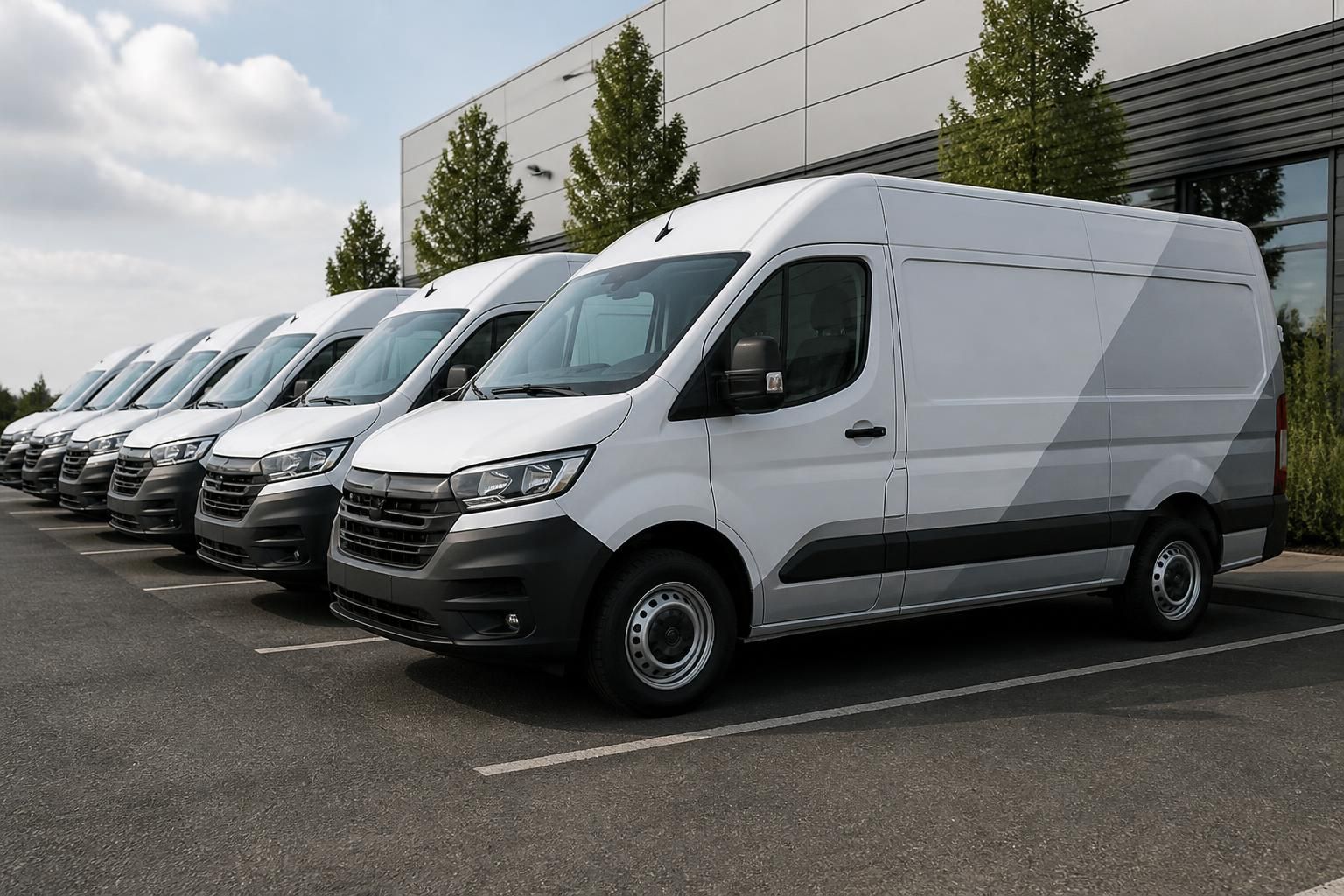
Fleet Vehicle Wraps in White Oak
Get matching, branded wraps across your work trucks and vans from a local White Oak shop.
Get matching, branded wraps across your work trucks and vans from a local White Oak shop.
2 Lane Customs handles fleet vehicle wraps for White Oak, Texas businesses that want every truck, van, or work vehicle carrying the same branding. It is built for owners and managers who are tired of unmarked vehicles, mismatched lettering, or old decals that no longer look right. To get started, call or send a request with your vehicle count, your logo, and what each vehicle needs to say.
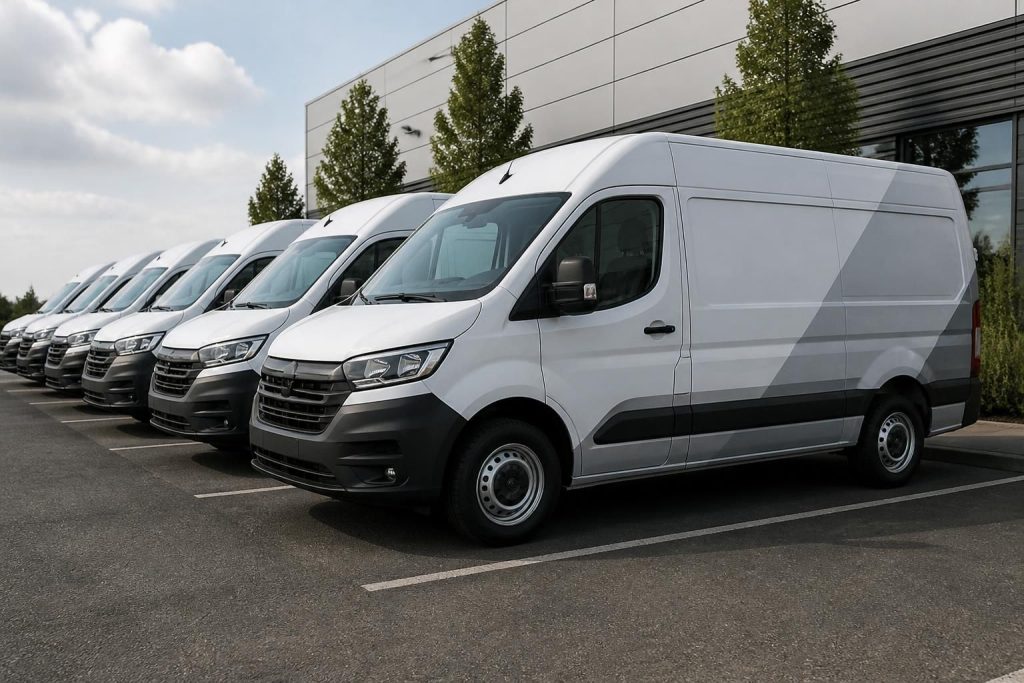
Maybe your crew rolls up to a job site and the customer cannot tell which company just pulled in. Maybe half your vehicles carry faded vinyl lettering and the other half have nothing at all. A fleet wrap solves that by putting one consistent look on every vehicle, so your business gets noticed on every road and in every parking lot you visit around White Oak and Longview.
A fleet wrap is a set of printed vinyl graphics applied to several vehicles so they read as one brand. It can be a full wrap that covers most of the body, or a partial wrap that covers doors, tailgates, hoods, or rear panels. The goal is the same either way: your name, phone number, services, and colors visible from a distance.
Most fleets we would expect to see around East Texas are made up of pickups, work vans, and service trucks, and the layout of each one is a little different. Planning the whole group together keeps the finished look consistent from vehicle to vehicle.
Door shapes, wheel wells, and panel breaks change from one model to the next. A good fleet plan adjusts the same artwork to each body style so logos sit in the same spot and colors line up, instead of simply stretching one file across everything.
If you already have a logo and brand colors, bring them. If you are starting from scratch, we also do custom vehicle wraps, so the design can be built around your business before the fleet is rolled out.
Every shop runs its own process, but a fleet wrap project usually follows a familiar order.
Because fleets keep working, ask early about how vehicles can be scheduled in groups so you are not without every truck on the same day.
Owners often mix up wrapping and repainting. A wrap is a vinyl layer applied over the existing finish, which means it changes the look and carries your branding without a full paint job. It does not repair damage underneath. Peeling clear coat, deep rust, and heavy oxidation can show through or stop vinyl from sticking well.
This page covers fleet wraps only. If a vehicle's paint is dull or worn, our automotive paint restoration is a separate service, and you can ask us whether it makes sense before wrapping. Vehicles that need glare and heat control can also be asked about window tinting, and a protective finish like professional ceramic coating is another separate service to bring up. For a single vehicle, our vehicle wraps and motorcycle wraps are handled separately from fleet planning.
Fleet pricing depends on the details of your project, which is why a written quote matters more than a rough guess. The main factors are:
A clear quote should spell out which vehicles are included, how much of each is covered, what design work is part of the price, what happens if the surface needs extra prep, and how changes are handled once the project is approved. Ask for those lines to be written down before you commit.
Whoever you hire, a few things tell you whether the work is solid.
Texas sun and heat are hard on vinyl, so ask how the shop thinks about edges and sun-facing panels, and where you plan to park the vehicles.
Before you pick anyone for a fleet wrap in the White Oak area, ask:
It depends on how many vehicles you have, how much of each is covered, and whether the design is ready. Larger fleets are often done in stages. Call or send a request with your vehicle list and we can talk through scheduling.
Yes, mixed fleets are common. The artwork is adjusted for each body style so the look stays consistent across vans, pickups, and other work vehicles.
It is based on factors such as the number of vehicles, their size, coverage, design work, surface condition, and removal of old graphics. We put these into a written quote so you can see what is included.
No. Having logo files and brand colors helps, but if you are still shaping your look, we can discuss custom vehicle wraps and plan the fleet around that design.
It varies with sun exposure, parking, washing habits, and how hard the vehicles work. Many owners update wraps when branding changes or when graphics start to fade or lift.
It can cover light cosmetic wear, but it does not fix damaged paint. Failing clear coat or rust should be looked at first, so ask us to check your vehicles before you decide.
If you run vehicles around White Oak, Texas, and want them to look like one business, call or send a request to 2 Lane Customs. Tell us how many vehicles you have, share your logo if you have one, and we will take it from there.
Start Your Project
Tell us about your vehicle and what you have in mind. We will help you choose the right wrap, tint, paint restoration, or coating and plan the next step.